A Taste of our Tours
Glendalough & Monastic Ireland
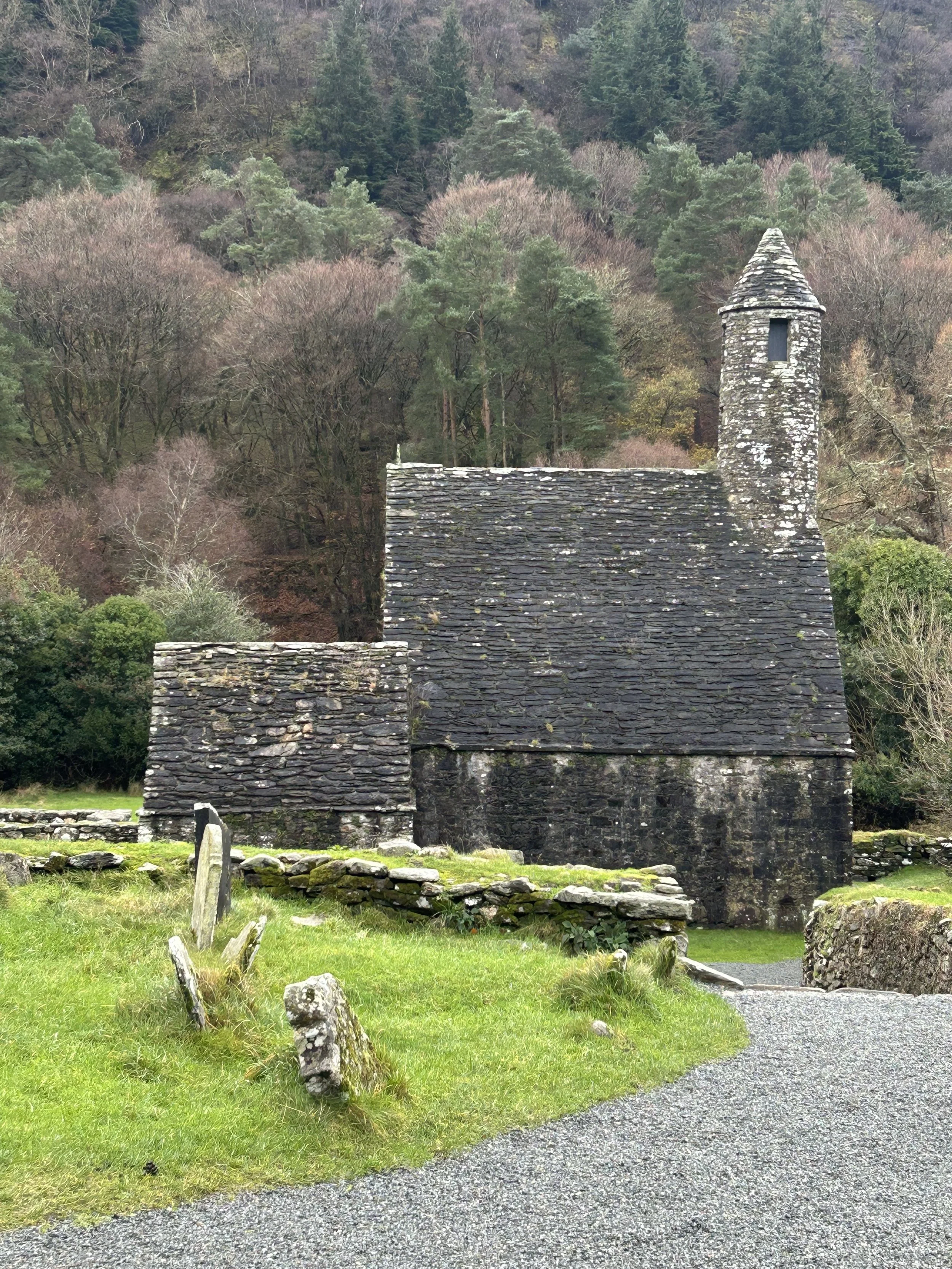
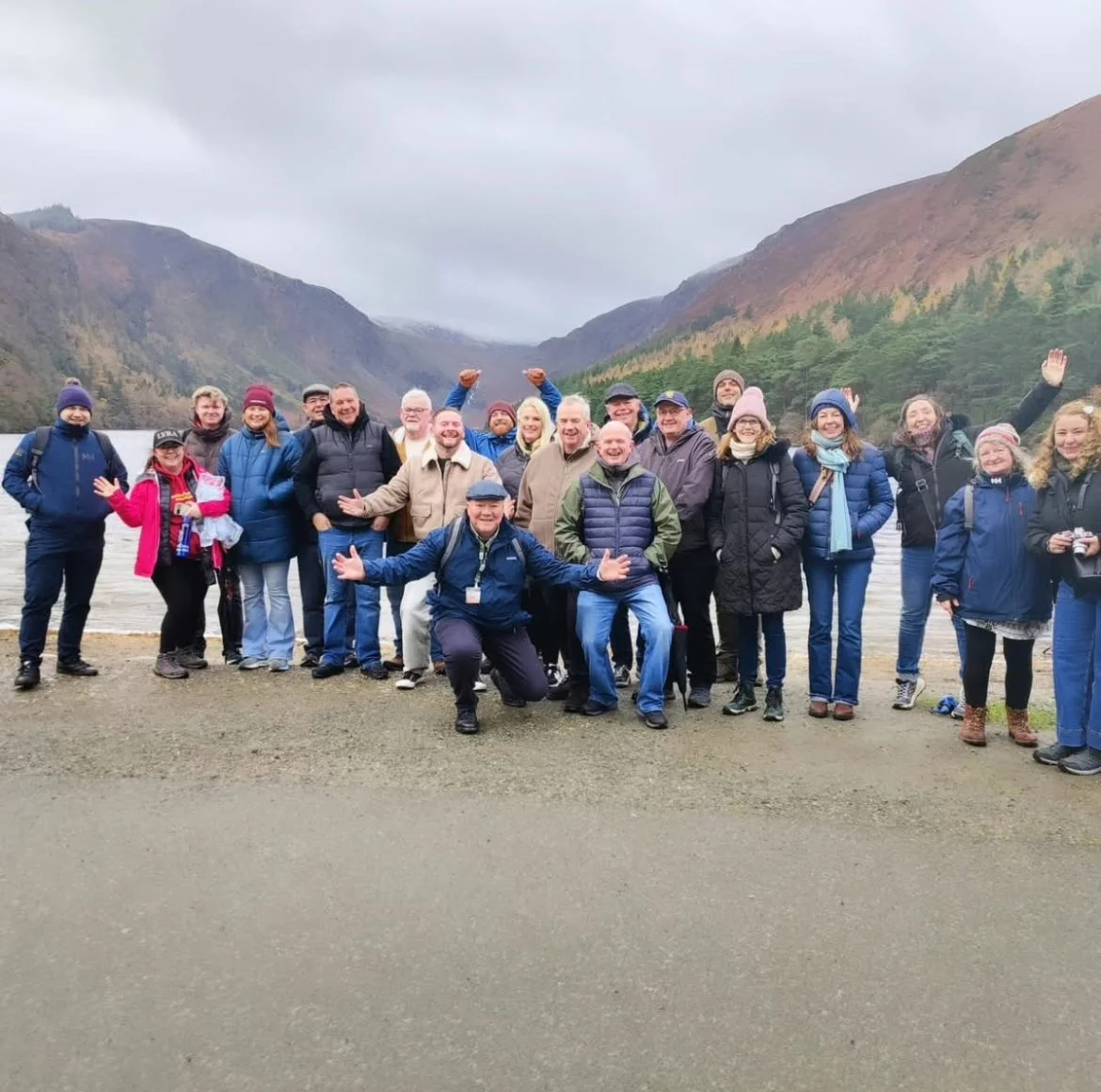
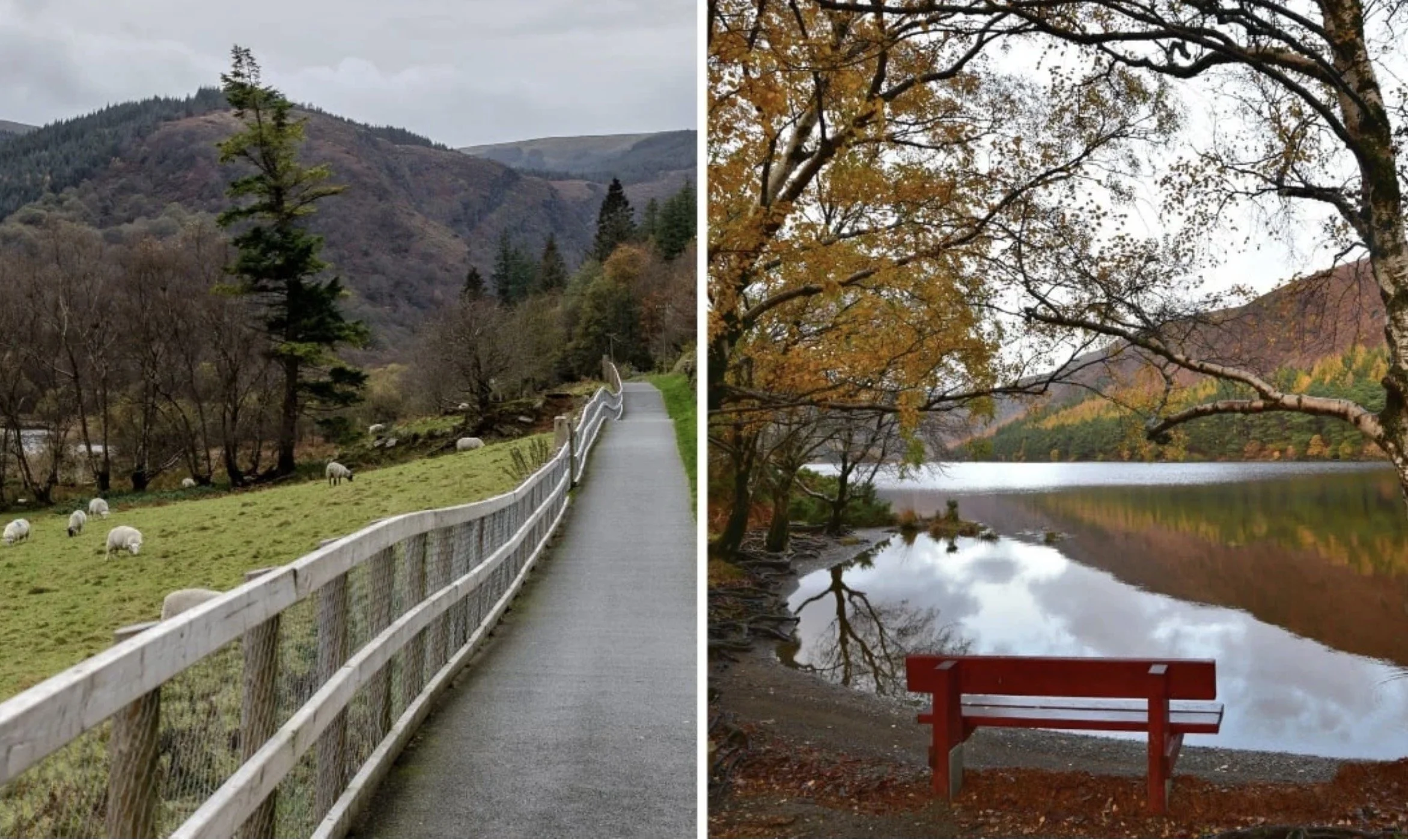
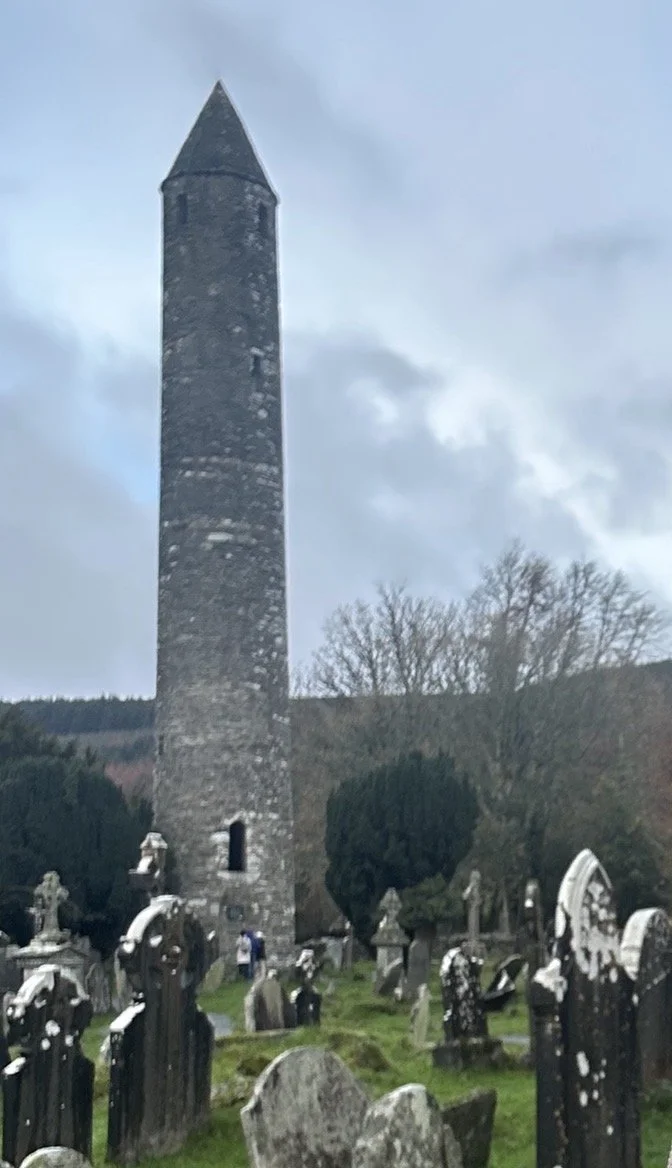
Discover the legacy of Saint Kevin and his Monastic city as you experience Glendalough’s deep spiritual connection to early Christianity, walk along the scenic Green Road, and learn about the significance of its iconic Round Tower. Immerse yourself in the recent discovery of a 10th century Viking coin - suggesting the Norse invaders didn’t plunder but rather traded with the monastery instead.
Along the way, uncover the story of mining in the valley and journey back to Ireland’s Ice Age, when this remarkable landscape was first shaped.
Samuel Beckett
Huguenot Ireland
Samuel Beckett
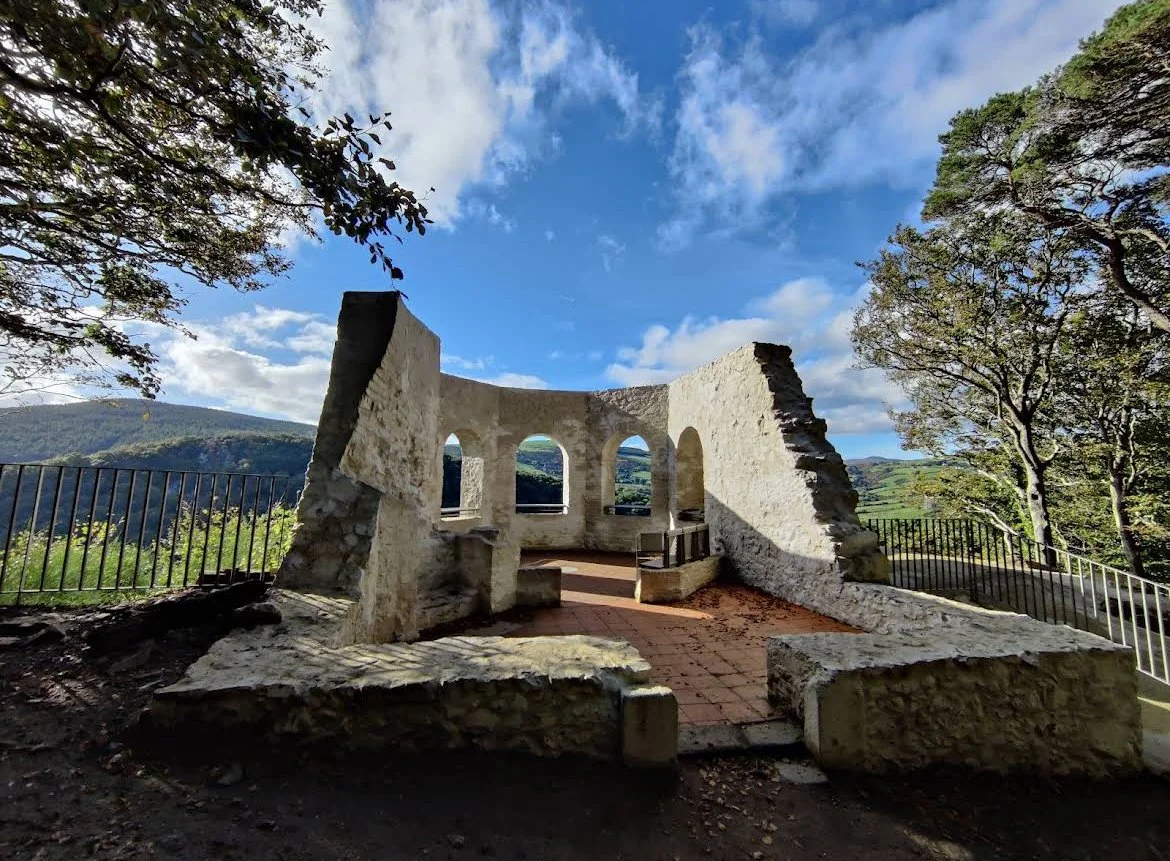
The story of the Huguenots in Ireland begins in 1685, when the revocation of the Edict of Nantes forced thousands of French Protestants to flee persecution and seek refuge across Europe, including in Ireland. Many settled in Dublin and Wicklow, leaving their mark in places like Delgany and Marlay Park where they established their somewhat extravagant homes.
In the heart of the city, Merrion Row hosts a beautifully kept Huguenot cemetery dating from 1693, while St. Patrick’s Cathedral stands as testament to their integration into Irish religious and civic life.
Among the most notable Huguenot families in Ireland were the La Touches, whose influential banking dynasty helped shape the country’s financial landscape. Isaac D’Olier, the son of a Huguenot immigrant, rose to prominence as a goldsmith and later as a member of Dublin City Council. His third son, Jeremiah, went on to become one of the first governors of the Bank of Ireland in 1801, and today, D’Olier Street in Dublin bears the family name in his honour.
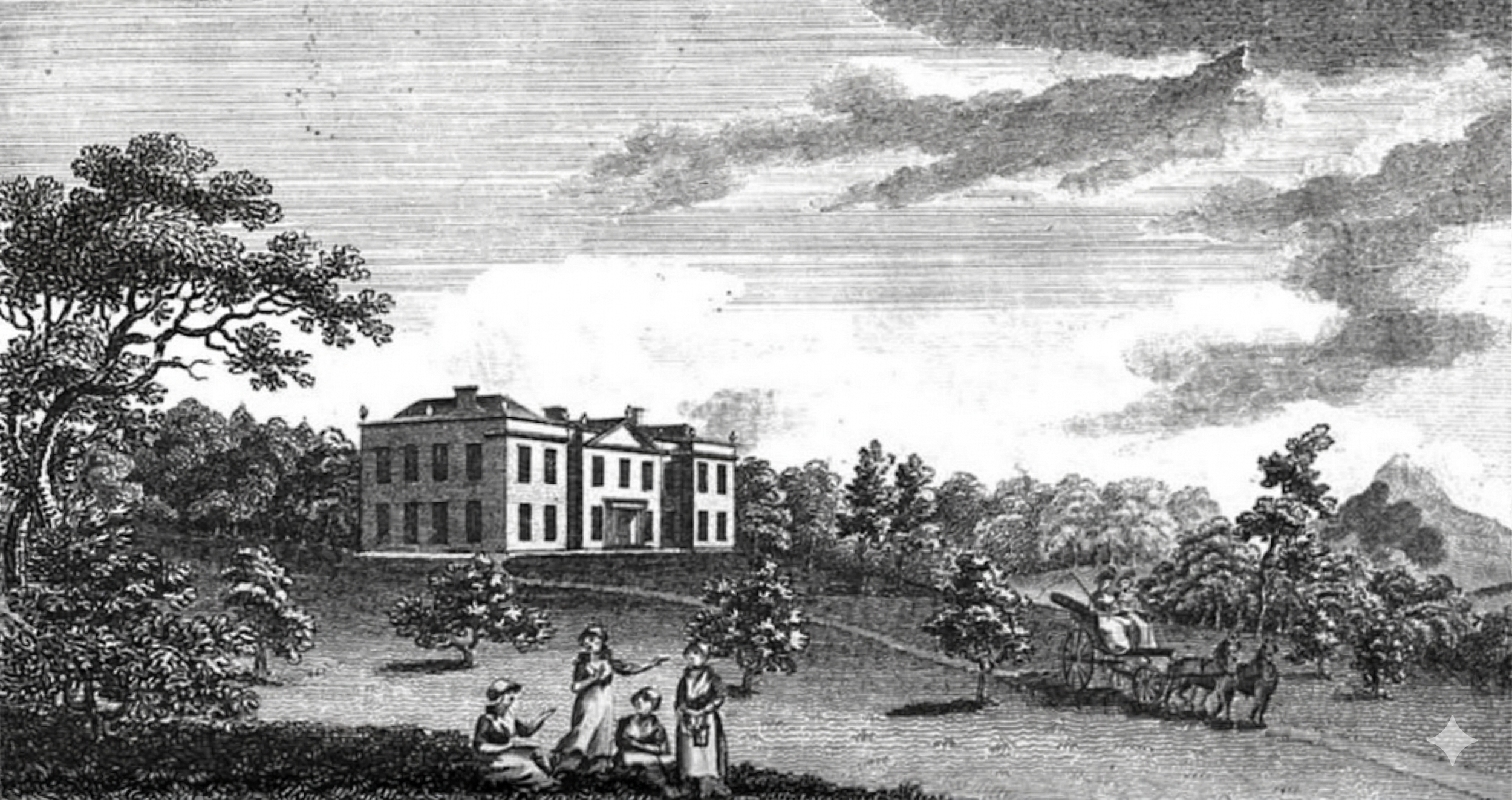
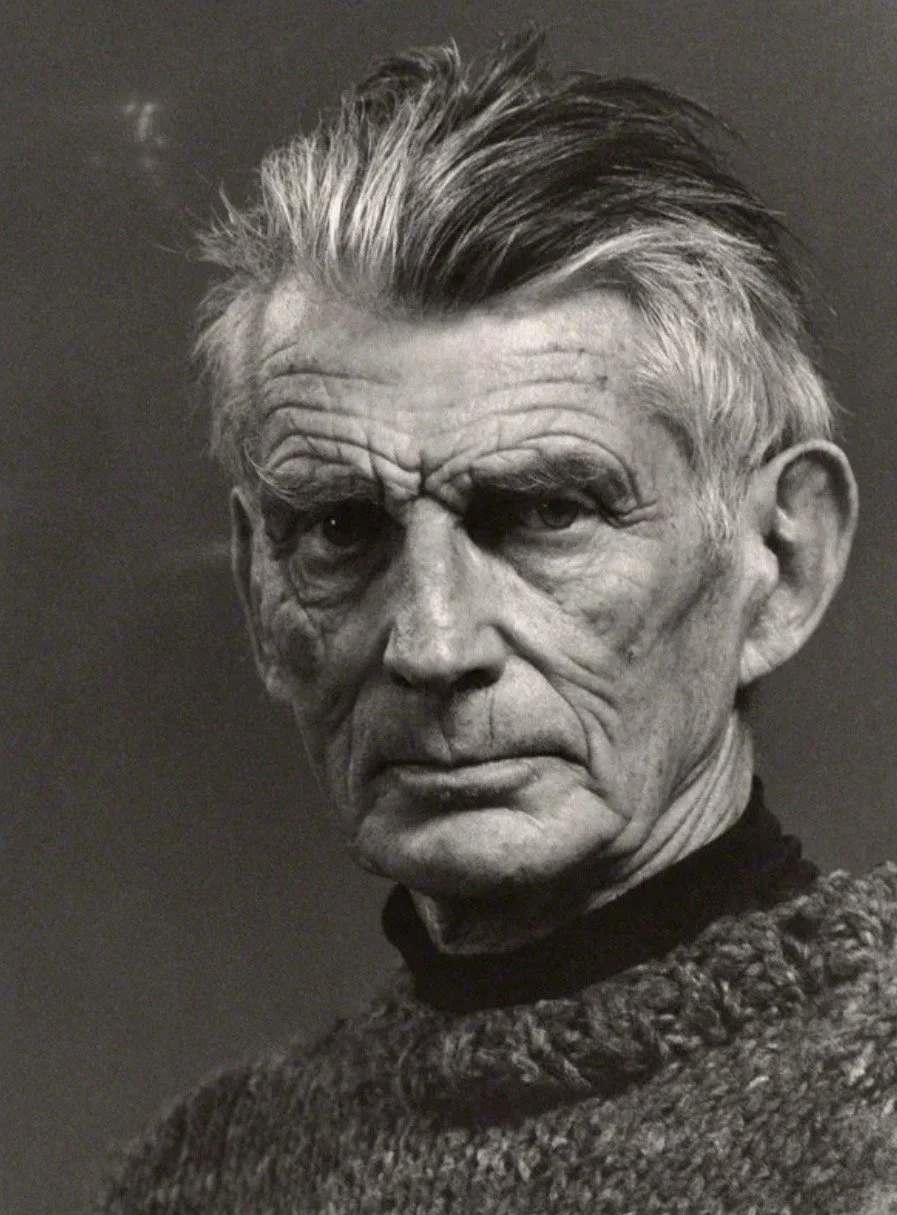
The nearby Huguenot Cemetery also includes members of the Becquett family, ancestors of the renowned Irish playwright and poet Samuel Beckett. Their presence, alongside families like the La Touches and D’Oliers, highlights how these refugees not only found sanctuary in Ireland but contributed profoundly to its cultural, economic, and civic life.
Tours can be arranged in Dublin City or in Delgany, Co. Wicklow
Georgian Dublin
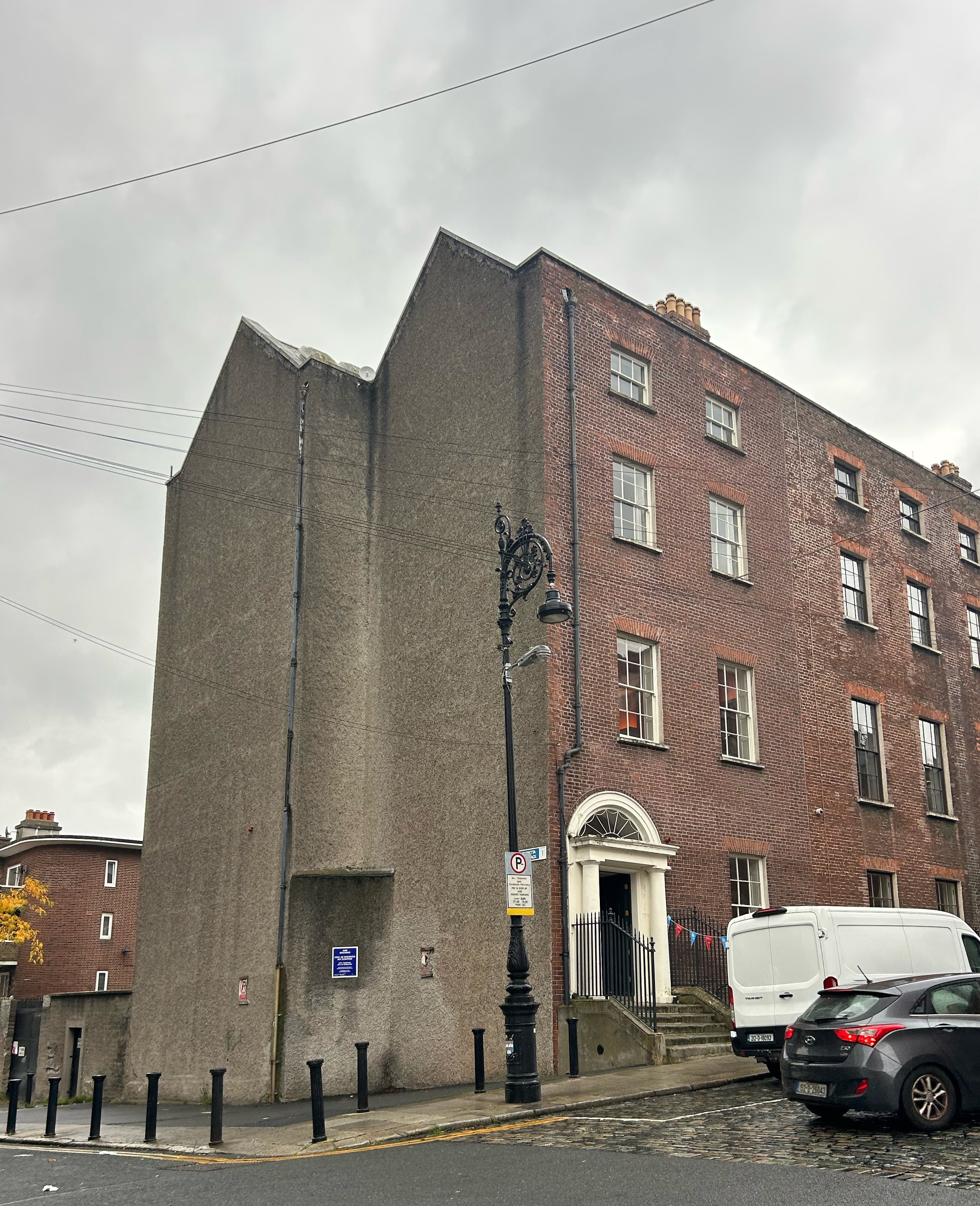
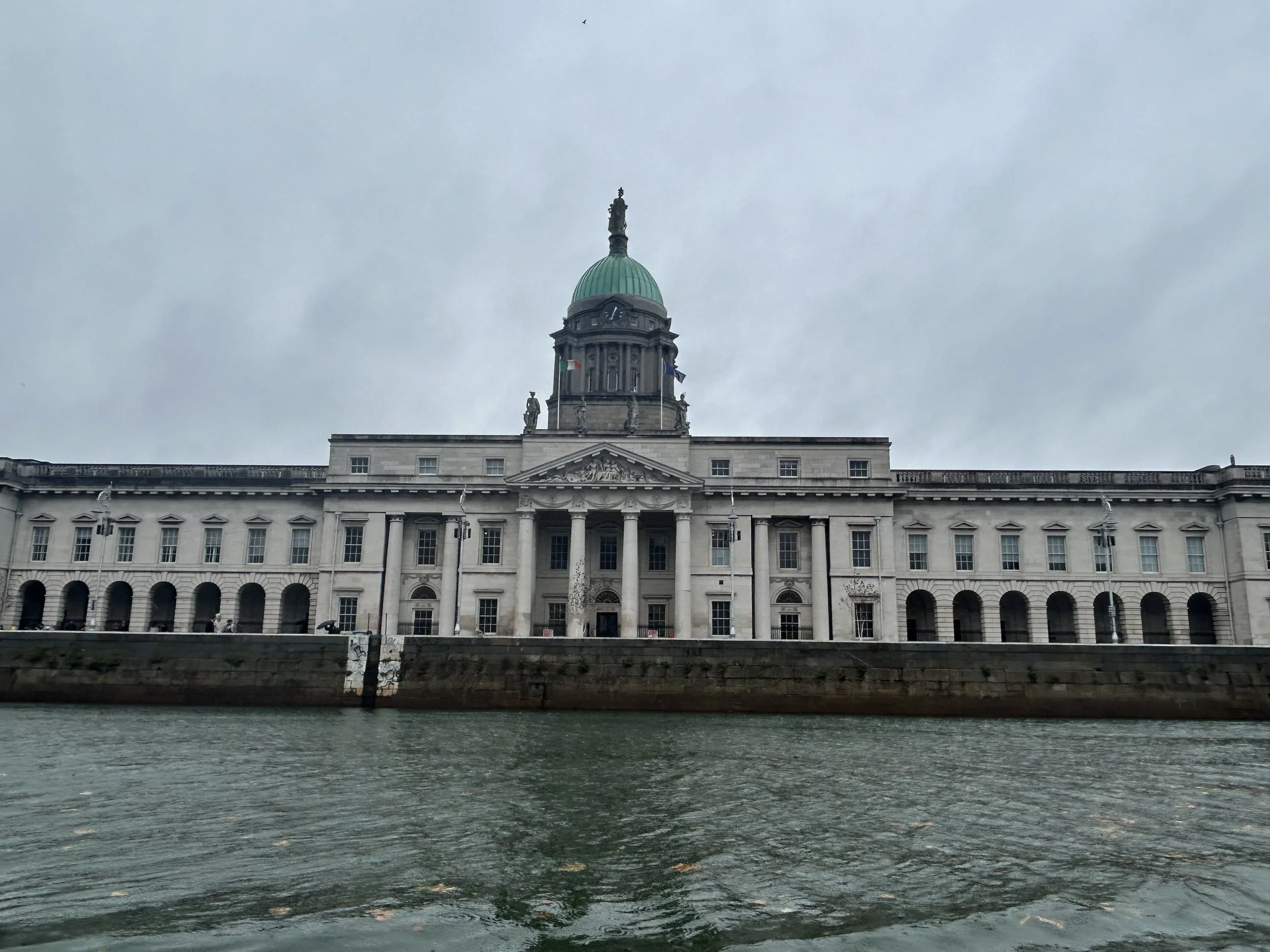
Georgian Dublin flourished in the 18th century as a city of elegance, order, and political power, reflected in its grand architecture and carefully planned streets. Landmarks such as The Custom House and the old Parliament buildings at College Green highlight the city’s classical design and growing importance, while Henrietta Street offers a glimpse into both the splendour and later social change of the period. Open spaces like St. Stephen’s Green provided respite within the expanding city, and Leinster House stands as a lasting symbol of former grandeur and more recently becoming the political beating heart of new Ireland. The opulent lifestyle of the Georgian era came to a turning point with the Act of Union in 1801, which dissolved Ireland’s independent parliament and reshaped the city’s role in the years that followed.
The Great Hunger (1845-1852)
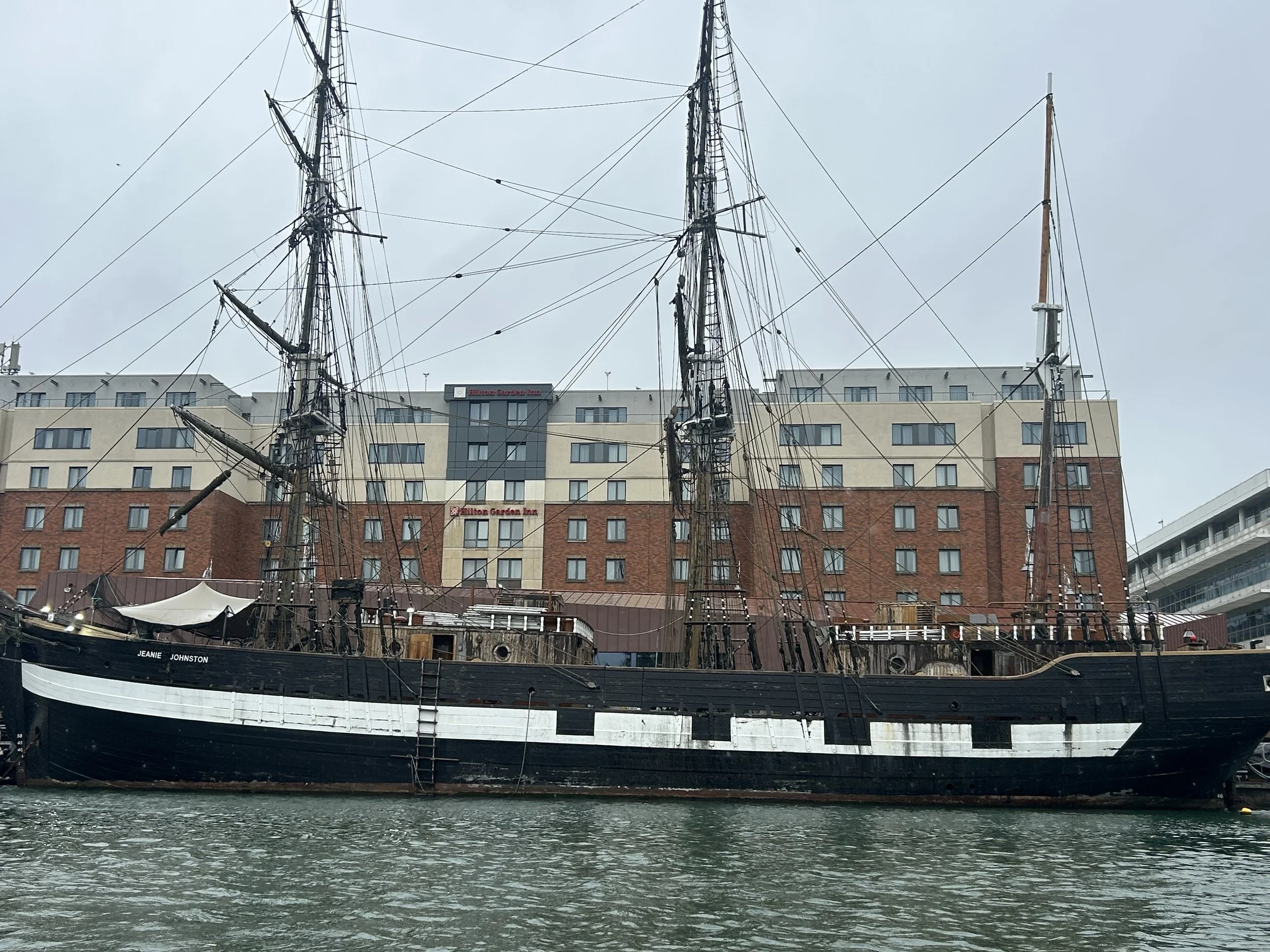
Ireland’s Great Hunger, An Gorta Mór, is remembered and interpreted across the country through powerful visitor experiences. At Strokestown House in Roscommon, the National Famine Museum explores the social and political realities behind the catastrophe, while the EPIC Museum in Dublin’s CHQ building connects the famine to the wider story of Irish emigration. In New Ross, the Dunbrody Famine Ship offers an immersive journey into the harsh conditions faced by those who fled, complemented in Dublin by the Jeanie Johnston, which tells similar stories of survival and hope. In West Cork, the Skibbereen Famine & Research Centre provides a deeply local perspective on one of the areas hardest hit. Together, these sites give visitors a moving and comprehensive understanding of this defining chapter in Irish history.
Powerscourt House & Gardens
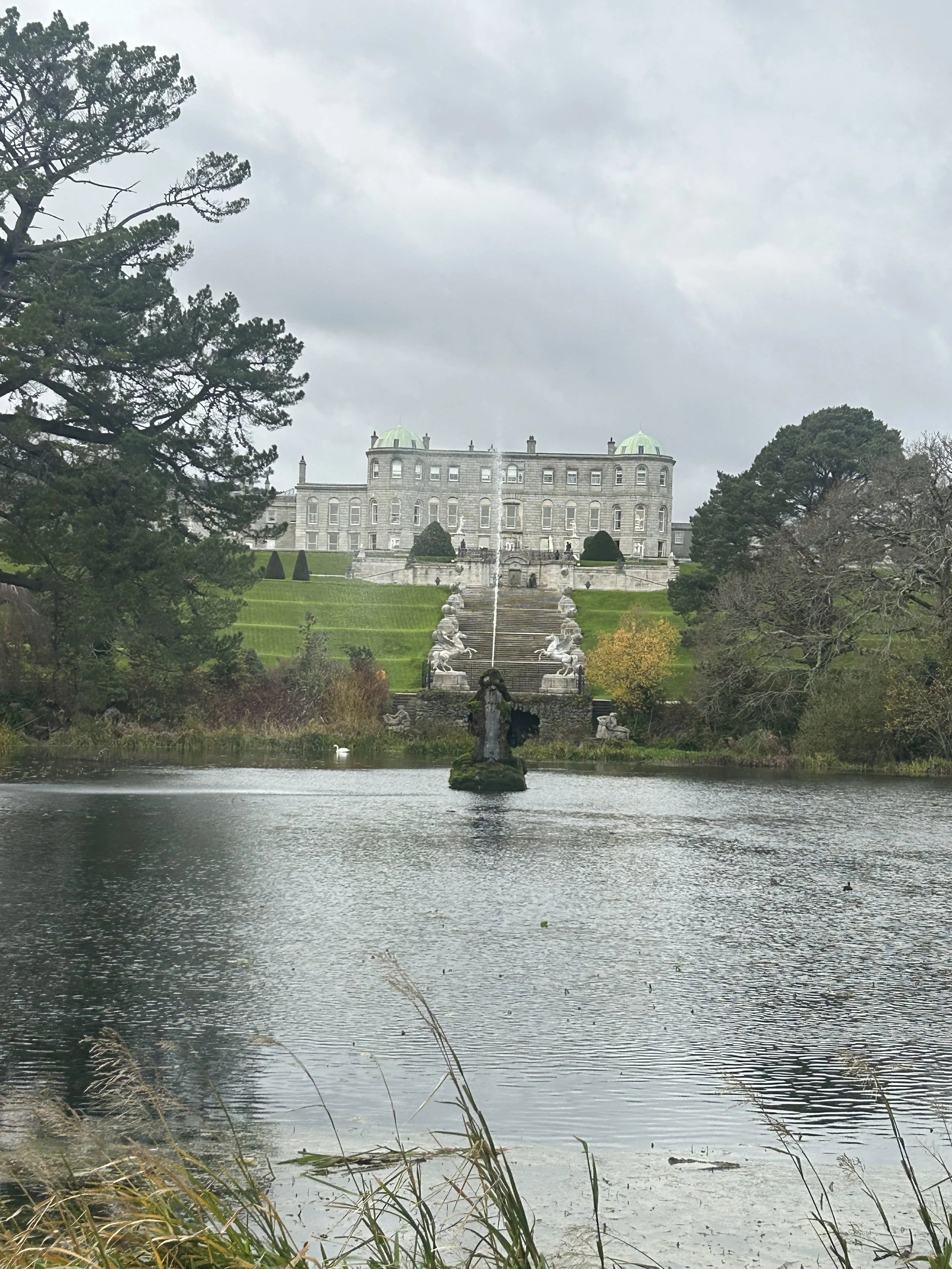
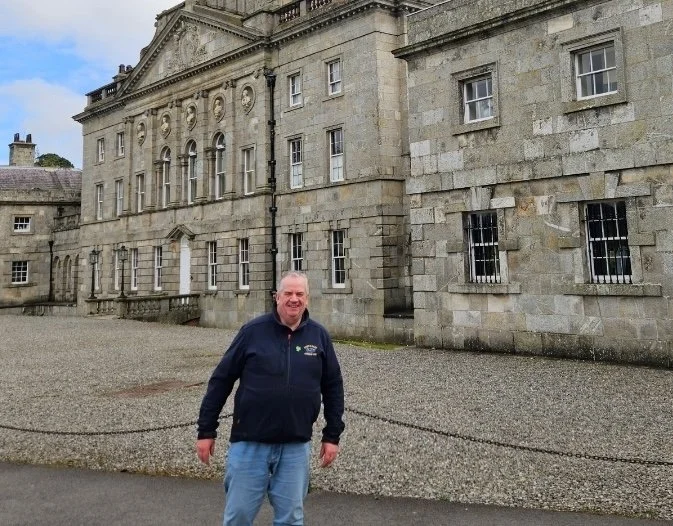
Powerscourt House & Gardens has a rich history dating back to the 13th century when a castle was first built on the site by the Anglo-Norman family, the La Poers
In the 18th century, the house was transformed into a grand Palladian mansion under the ownership of the Wingfield family.
The famous gardens were largely designed in the 19th century, inspired by European styles such as Italian and French formal layouts.
A devastating fire in 1974 , started by an unattended chimney fire, left the house in ruins for many years before it was carefully restored and reopened to the public in the 1990s.
Today, it is one of Ireland’s most popular heritage attractions, known for its landscaped terraces, sweeping views, and proximity to Dublin. Ideal for half day tours - excellent cuisine served on site.
Local Historical Tours
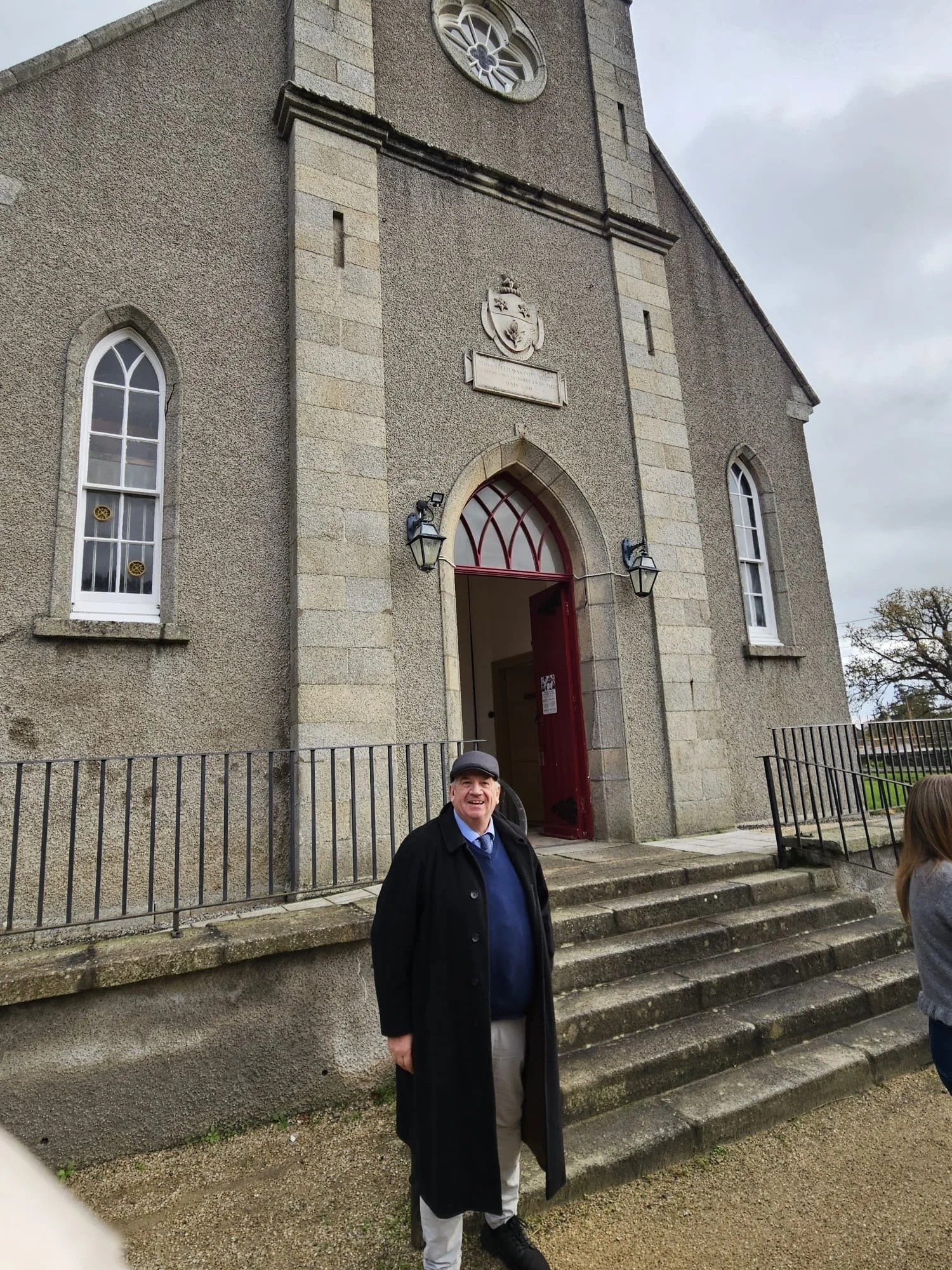
Discover a landscape shaped by centuries of history, from ancient tombs, dolmens and early monastic settlements to elegant 18th‑century churches and the pioneering railway lines of the mid nineteenth century. Walk through Georgian Dublin with its unique architectural layout and discover some very famous previous residents.
Step into the footsteps of history at key battle sites like Vinegar Hill in Wexford or the GPO in Dublin, explore connections to the Great Hunger and local workhouses, and uncover the fascinating stories of the Childers and Barton families, along with the remarkable life of Dr. James Ryan.
It’s all on your doorstep here on the Emerald Isle
The Quiet Man
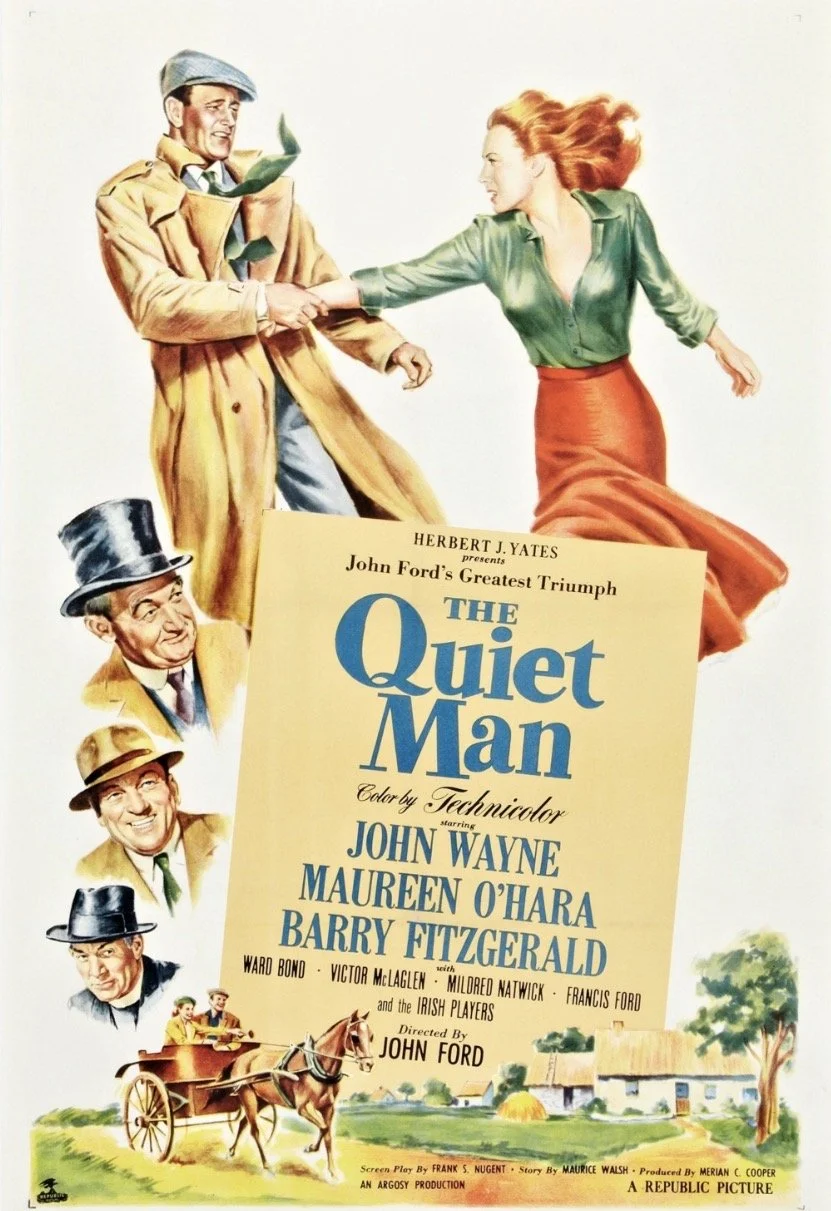
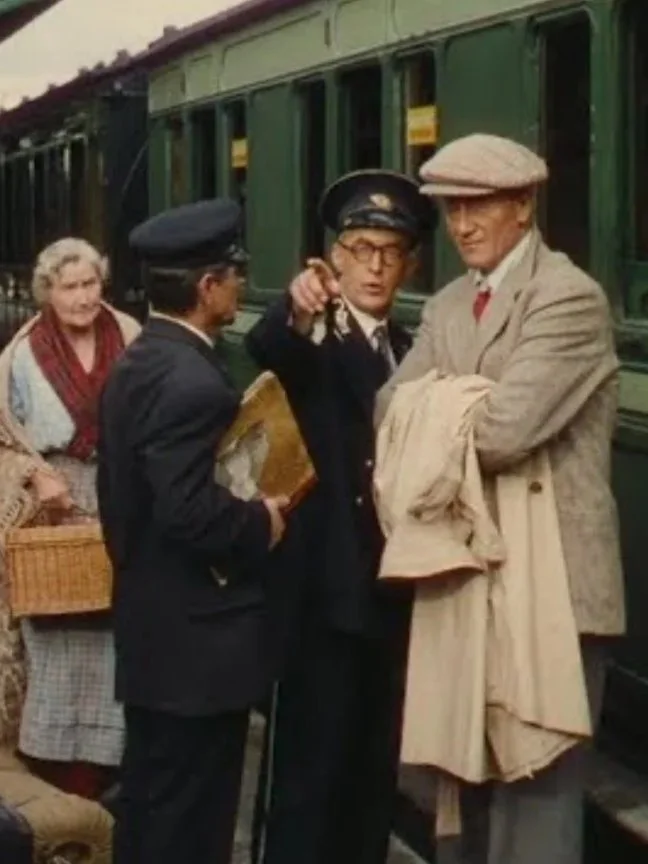
The Quiet Man, starring John Wayne and Maureen O’Hara, was famously filmed in the west of Ireland in 1952, showcasing its rural beauty. It was directed by the legendary John Ford.
Many scenes were shot in and around Cong, which still attracts visitors today.
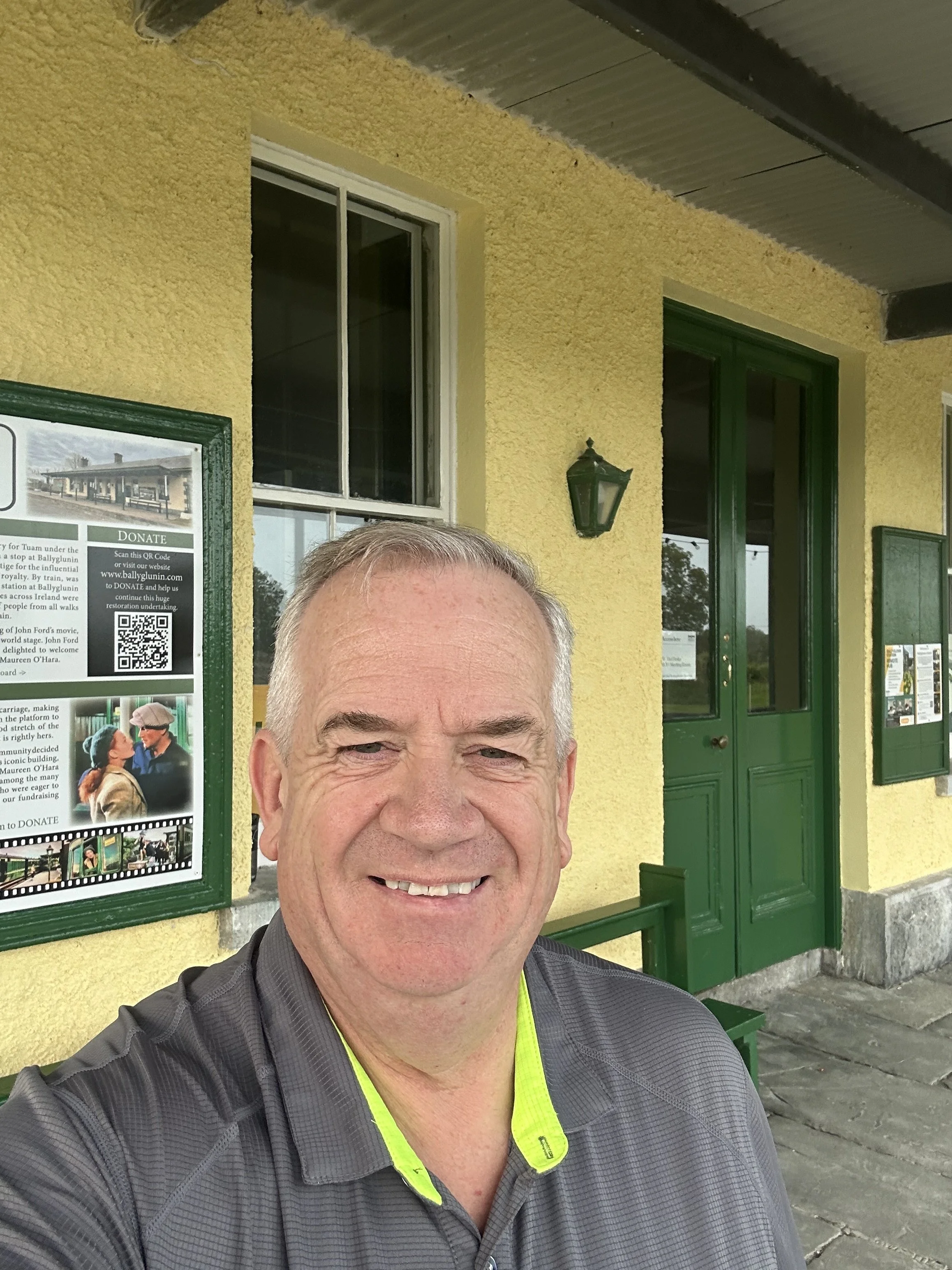
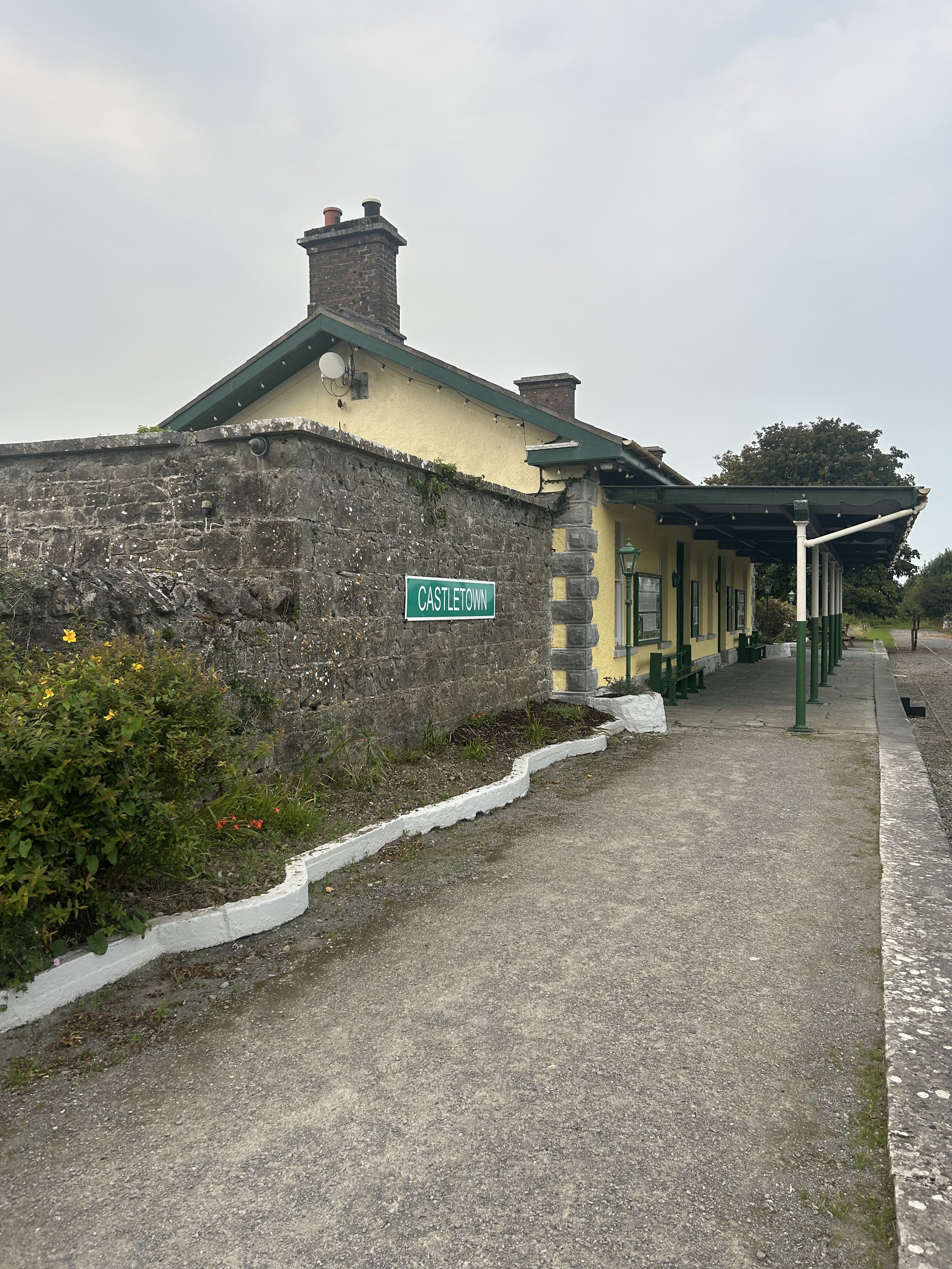
The iconic Railway Station used in the film is now restored and open to the public in Ballyglunin near Tuam.
Other filming locations include the scenic landscapes of County Mayo and parts of County Galway.
The film helped shape global images of traditional Irish life and countryside charm.
Bespoke tours available and tailored to suit your itenerary.